
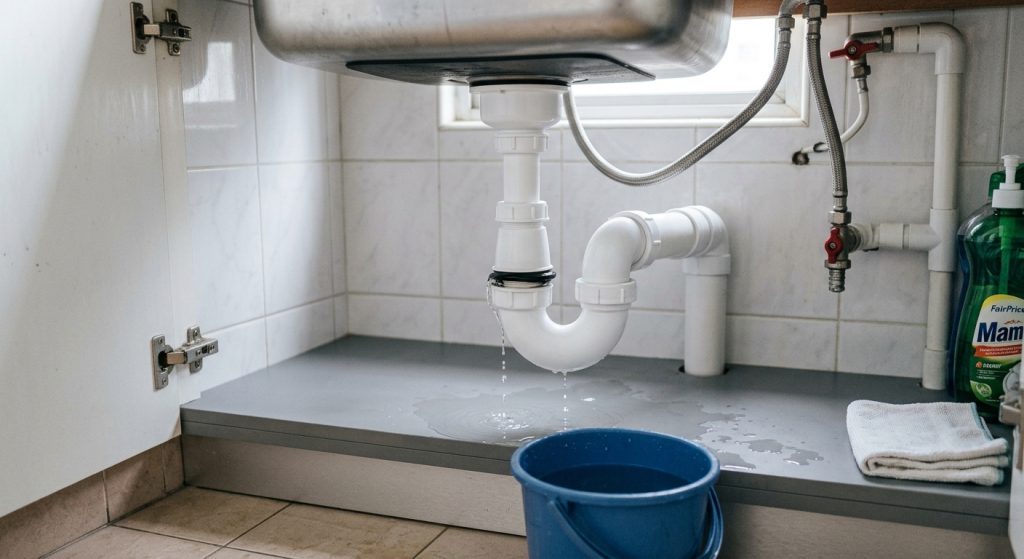
Plumbing problems rarely happen at a convenient time. A floor trap may suddenly stop draining properly, a kitchen sink can start backing up, or a toilet bowl may develop a leak around its base. Sometimes the problem is obvious, such as a leaking hose or rusty pipe. Other times, it starts with something small—a slow drain, weak flushing or an occasional bad smell—and gradually becomes worse.
In Singapore, plumbing systems are used heavily every day. HDB flats, BTO units, condominiums, landed houses and commercial premises can all experience different types of plumbing issues depending on the age of the property, condition of the fittings and layout of the drainage system.
Our plumbing services cover a wide range of common toilet, kitchen, drainage and water piping problems. From simple choke clearing and leaking hose replacement to stainless steel piping replacement and high-pressure manhole jetting, we handle both smaller plumbing repairs and more serious drainage issues.
Below are some of the common plumbing works we provide in Singapore.
How It Works:
 Whatsapp us to describe the issue / works required with photos/videos.
 Admin will provide a clear, upfront and no-surprise quotation on the total costs for the works requested.
 We will arrange to go dowm promptly as discussed and complete the job.
Our No-Surprise Quotation: We provide a clear & upfront quotation based on the issue described and service requested. We do not have any hidden costs in the quote.
- Products: We will provide a range of products & brands. If you wish to top up to a more premium product, it is available, but it is not obligatory.
- Services: Some issues/chokes are much more complicated to resolve than described after our on-site assessment. In the case that manual methods are unable to resolve, we may need to bring more specialized machinery & equipment to do the job, and the pricing will be higher than manual methods. In such a case, we will explain to you and reconfirm the job scope and the pricing before proceeding. In any case, it is never obligatory, and we can come back another time if you need to consider it first.
Our Plumbing Services
We handle various types of plumbing work in Singapore such as:
- 💧 Floor Trap Choke Clearing – Manual / Machine Assisted
- 🚿 Basin & Kitchen Sink Choke Clearing – Manual / Machine Assisted
- 💧 Bottle Trap & Outlet Piping Replacement – For Basins / Kitchen Sink
- 🚿 Repair Leaking Pipes / Connectors – Different Types of Joints / Pipes
- 💧 Toilet Bowl Leak Repair – Pan Collar / Flush System etc
- 🚿 Toilet Bowl Choke Clearing – Manual / Machine Assisted
- 💧 Stainless Steel Piping Replacement – Cold Water / Hot & Cold
- 🚿 Toilet Bowl Seat Cover Replacement – Various Shapes & Sizes
- 💧 Toilet Bowl & Wash Basin Replacement – Various Models Available
- 🚿 Faucet & Tap Replacement – Mixer Taps / Washing Machine Taps / Basin / Kitchen Taps etc
- 💧 Bathroom Plumbing – Replacement of toilet bowl/basin/taps/bidet spray/shower sets.
- 🚿 Clogged Drains & Chokes – Fast and effective drain unclogging.
- 💧 Preventive Maintenance of Floor Traps – for slow-flowing drainage
- 🚿 Pipe Installation & Replacement – Reliable solutions for homes & offices.
- 💧 Landed/Commercial High Pressure Manhole Jetting – Choke Clearing.
1. Floor Trap Choke Clearing
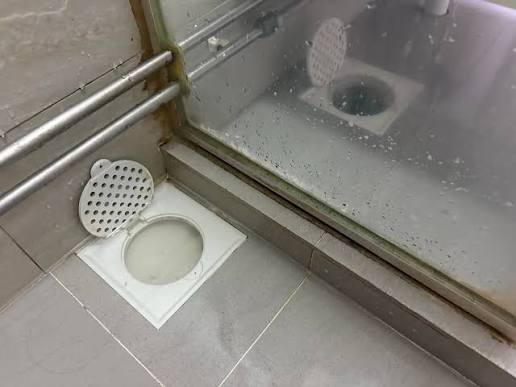
Floor traps are found in all toilets, kitchens, service yards and other wet areas. Their job is to allow wastewater to drain away while helping to prevent unpleasant smells from coming back through the drainage system.
Over time, however, floor traps can become partially or completely choked.
Hair, soap residue, dirt, dust, sludge and other debris can collect around the trap and inside the connected drainage pipe. In kitchens, grease and food residue can also contribute to restricted drainage.
A common sign is water taking longer than usual to drain. In a more serious blockage, water may start pooling around the floor trap or even backflow onto the toilet floor.
What Can Cause a Floor Trap To Choke?
Some common causes include:
- Hair and soap buildup
- Dirt and sludge inside the drainage pipe
- Grease and food residue in kitchen floor traps
- Tissue and other small debris
- Foreign objects
- Renovation debris
- A dirty or damaged floor trap cover
- Blockage further down the drainage pipe
- Poor drainage flow or an older drainage system
For straightforward blockages, manual clearing may be sufficient. Where the obstruction is deeper or more stubborn, machine-assisted drain clearing can be used to help break through and remove the blockage.
Clearing the choke properly is important because simply removing visible debris from the top of the floor trap may not solve a blockage further inside the pipe.
Find out more about our floor trap choke clearing service here.
2. Basin & Kitchen Sink Choke Clearing
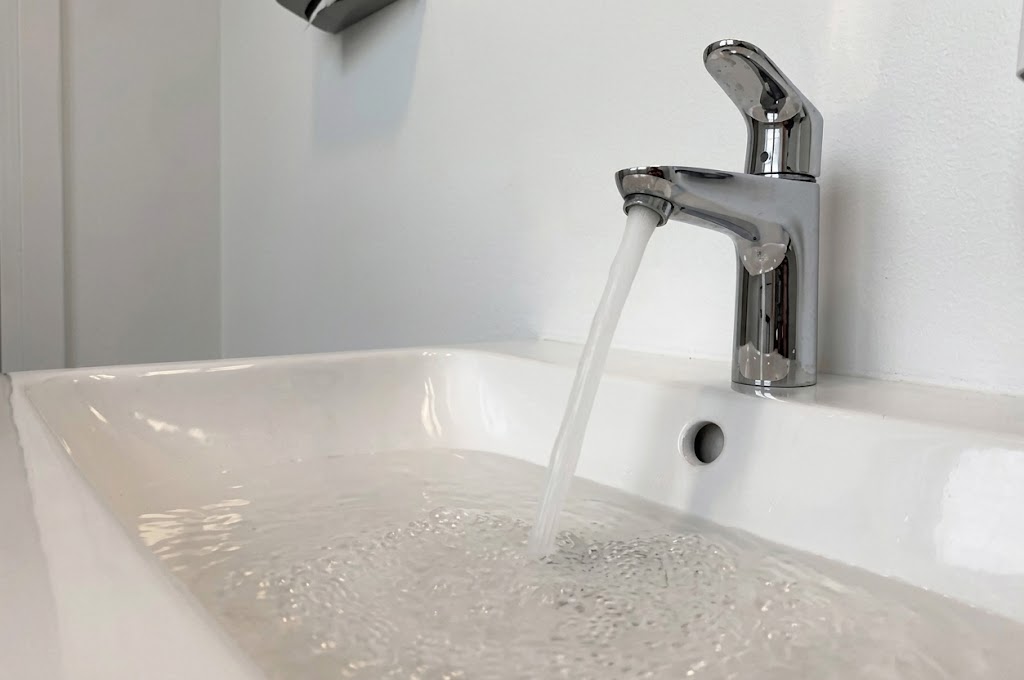
A slow-draining basin or kitchen sink is often the first indication that something is building up inside the waste piping.
Bathroom basins commonly collect hair, soap residue and dirt. Kitchen sinks have a different problem. Grease, oil, food particles and detergent residue can gradually stick to the inside of the waste pipe.
At first, the water may still drain. You may only notice that the sink takes longer to empty. As more material accumulates, the flow becomes increasingly restricted and the sink can eventually back up.
Common Causes of Basin and Sink Chokages
These include:
- Hair
- Soap scum
- Grease and cooking oil
- Food scraps
- Dirt and sludge
- Detergent residue
- Foreign objects
- Blocked bottle traps
- Renovation debris
- Blockage further along the outlet pipe
Depending on the location and severity of the blockage, clearing may be carried out manually or with drain-clearing equipment.
For kitchen sinks in particular, simply pushing the blockage further down the pipe may not be a lasting solution if the pipe is already heavily coated with grease and residue. The condition of the bottle trap and outlet piping should also be considered.
Find out more about our basin and sink choke clearing service here.
3. Bottle Trap & Outlet Piping Replacement
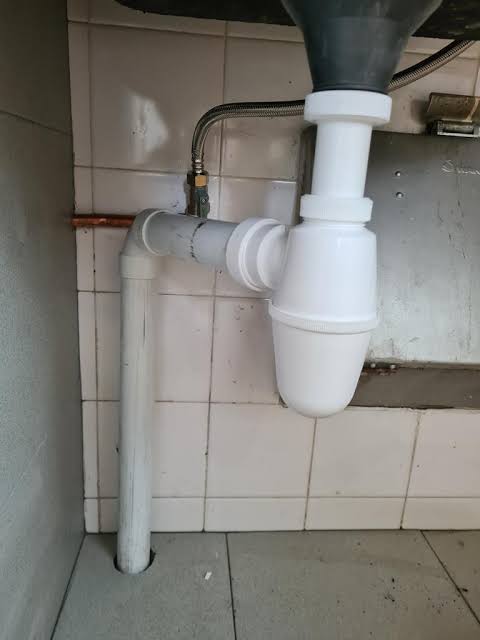
The bottle trap underneath a basin or kitchen sink plays an important role in the drainage system.
It holds a small amount of water, which helps prevent sewer or drainage odours from coming back through the waste outlet.
However, bottle traps can become dirty, blocked, cracked or worn out.
A bottle trap that has been in use for many years may also develop leaks around its joints or seals.
In some cases, the trap itself may still look acceptable while the outlet pipe connected to it has deteriorated.
When Might a Bottle Trap Need Replacement?
Replacement may be appropriate when there is:
- Persistent leakage
- Cracked or damaged plastic
- Heavy sludge buildup
- Repeated chokages
- Bad smells coming from the sink
- Worn-out seals or washers
- Loose or deteriorated connections
- Restricted water flow
- Old or damaged outlet piping
During replacement, the bottle trap and connected outlet piping can be assessed together. Where necessary, the relevant connectors, washers and fittings can also be replaced.
This is often more practical than repeatedly clearing the same small blockage when the underlying trap or piping has already deteriorated.
Find out more about our bottle trap & outlet piping replacement services here.
4. Repair Leaking Pipes & Connectors / Replace Leaking Hoses
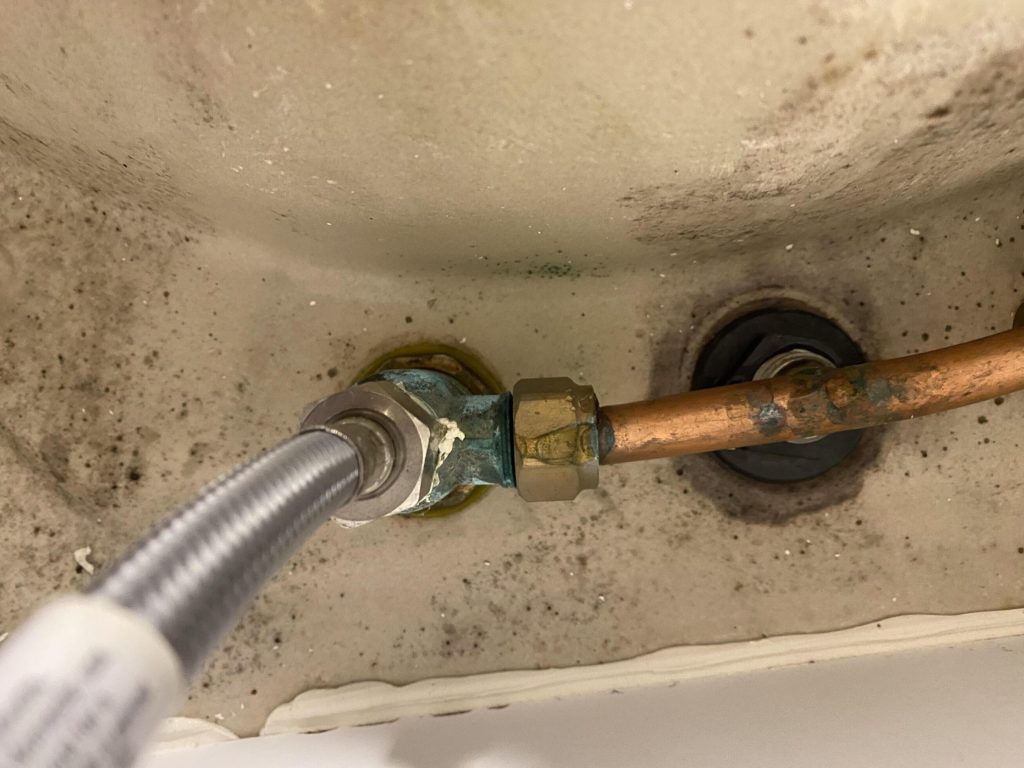
Water leaks do not always come from a major pipe. Many household plumbing leaks occur around connectors, valves, flexible hoses and threaded joints.
You may notice a small amount of water around a basin tap, toilet inlet connection, kitchen sink, shower fitting or other plumbing point. A small leak can sometimes remain unnoticed for quite a while, especially when the fitting is located inside a cabinet or behind an appliance.
Common areas include:
- Basin inlet hoses
- Toilet bowl inlet hoses
- Kitchen tap connections
- Shower connections
- Stop valves
- Pipe connectors
- Threaded joints
- Flexible hoses
- Water inlet fittings
Depending on the condition of the component, the solution may involve tightening or repairing the connection, replacing a washer or seal, or replacing the hose or fitting entirely.
Why Do Plumbing Hoses and Connectors Leak?
Typical causes include:
- Age and general wear
- Deteriorated rubber seals
- Loose connections
- Over-tightened fittings
- Corrosion
- Damaged threads
- Cracked or weakened hoses
- Incorrect installation
- Hoses that have been bent or twisted excessively
- Movement or stress around the connection
- High or fluctuating water pressure
Replacing a visibly deteriorated hose or connector is often preferable to waiting until it fails completely.
Find out more about our repair of leaking pipes/connectors or replacement of hoses here.
5. Toilet Bowl Leak Repair
A leaking toilet bowl can be more complicated than it first appears.
Water may be leaking from underneath the toilet bowl, from the cistern, around the inlet connection or from the flushing mechanism. A toilet may also continuously run after flushing or fail to flush properly.
Identifying the actual source of the leak is important because replacing the wrong component will not solve the problem.
Toilet Bowl Leaking From The Bottom
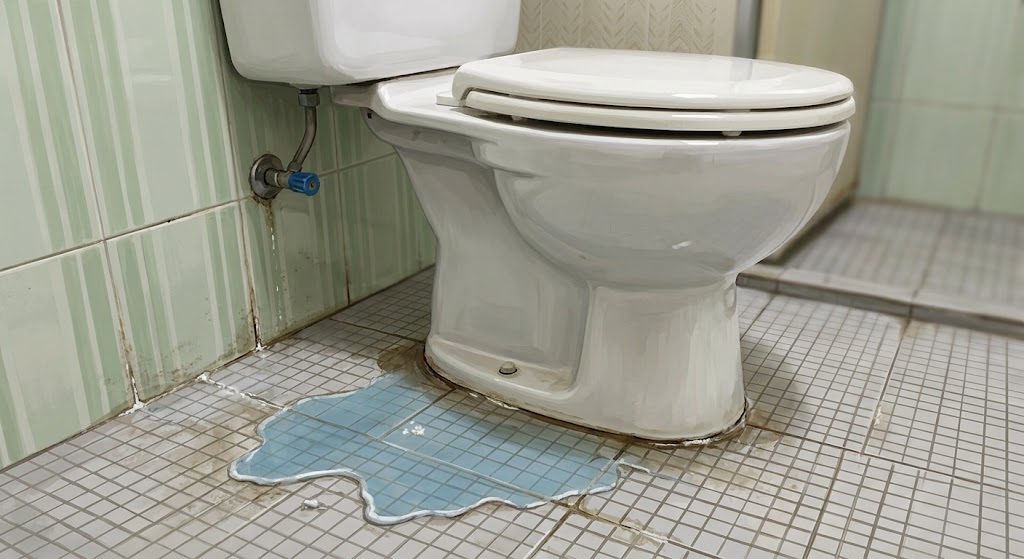
Water appearing around the base of the toilet bowl can be caused by:
- A worn or deteriorated pan seal
- A damaged connection
- Loose or damaged fixing
- A cracked toilet bowl
- Poor installation
- Water escaping when the toilet is flushed
- Drainage blockage causing water to back up
The source needs to be checked rather than simply wiping away the water around the base.
Cistern or Tank Leaking
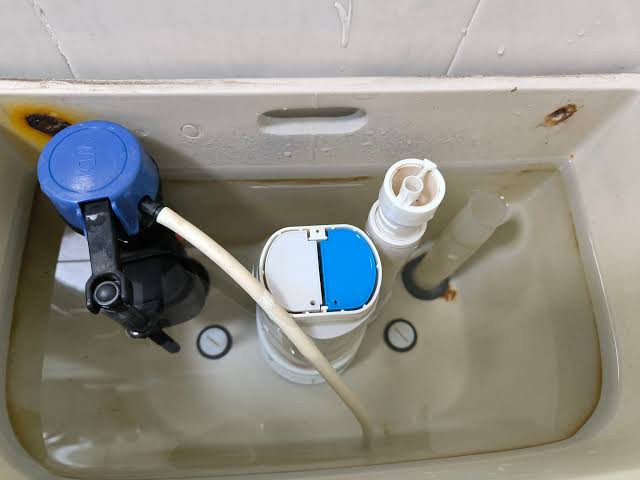
For toilets with a cistern, leaks can occur because of:
- Worn flush valve seals
- Faulty inlet or fill valves
- Loose connections
- Damaged washers
- Cracked cistern components
- Faulty flushing mechanisms
- Incorrect water level
Another common complaint is a toilet that keeps running after flushing.
This can happen when the flush valve does not close properly, the rubber seal has deteriorated, the inlet valve is faulty or the flushing mechanism is not operating correctly.
Weak Toilet Flushing
A toilet that does not flush strongly may have a number of possible causes, including:
- Low water level in the cistern
- Faulty flushing mechanism
- Partially blocked toilet trap
- Mineral or dirt buildup
- Partially blocked drainage
- Faulty inlet valve
Rather than immediately replacing the entire toilet bowl, it is worth checking whether the problem is actually caused by a faulty component or blockage.
Find out more about our toilet bowl leak repair services here.
6. Toilet Bowl Choke Clearing
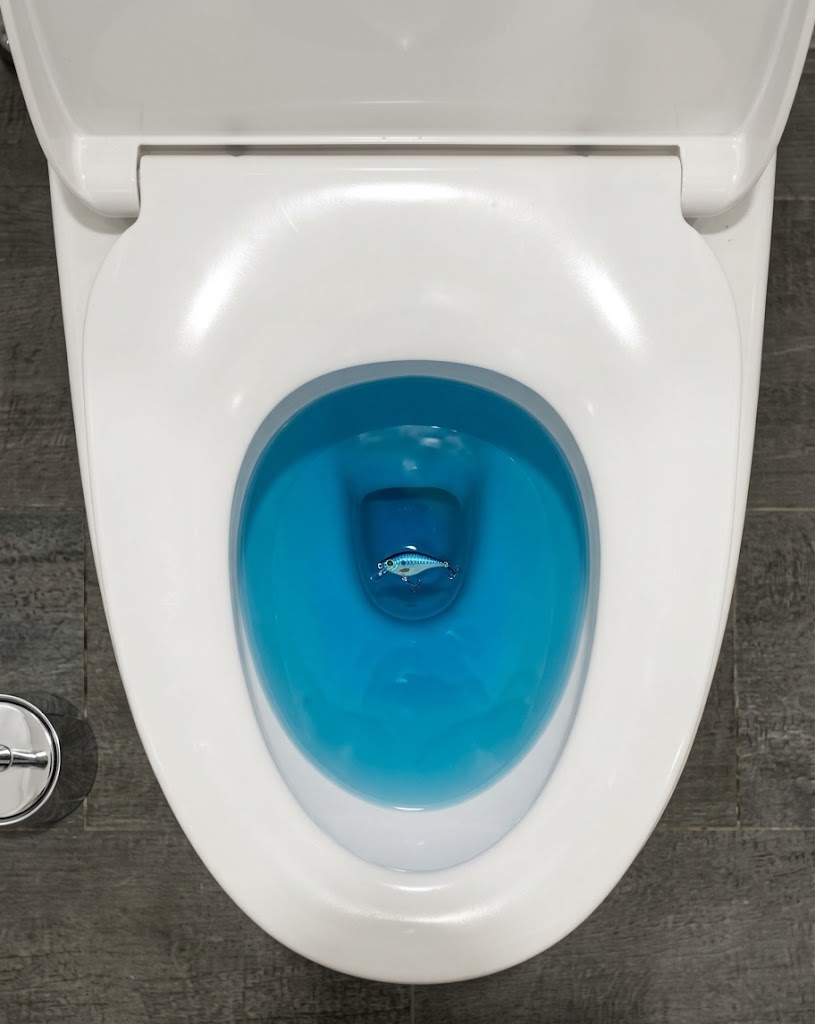
A choked toilet bowl is one of the more urgent plumbing problems in a home.
A toilet can become blocked because of excessive toilet paper, wet wipes, sanitary products, foreign objects or accumulated waste.
In some cases, the obstruction is inside the toilet trap.
In others, the blockage may be further down the drainage pipe.
The symptoms can range from slow flushing to water rising inside the bowl.
Common Causes of Toilet Bowl Chokages
- Excessive toilet paper
- Wet wipes
- Sanitary products
- Foreign objects
- Children’s toys or small objects accidentally flushed
- Insufficient flushing
- Waste buildup
- Mineral deposits
- Renovation debris
- Partial blockage in the drainage system
A blockage should be cleared according to its location and severity. Manual methods can be used for suitable cases, while machine-assisted clearing may be required for more stubborn or deeper obstructions.
If a toilet repeatedly chokes after being cleared, the problem may not simply be another piece of tissue or waste. There could be a partial blockage further down the drainage system that needs further investigation.
Find out more about our toilet bowl choke clearing service here.
7. Stainless Steel Toilet Water Piping Replacement
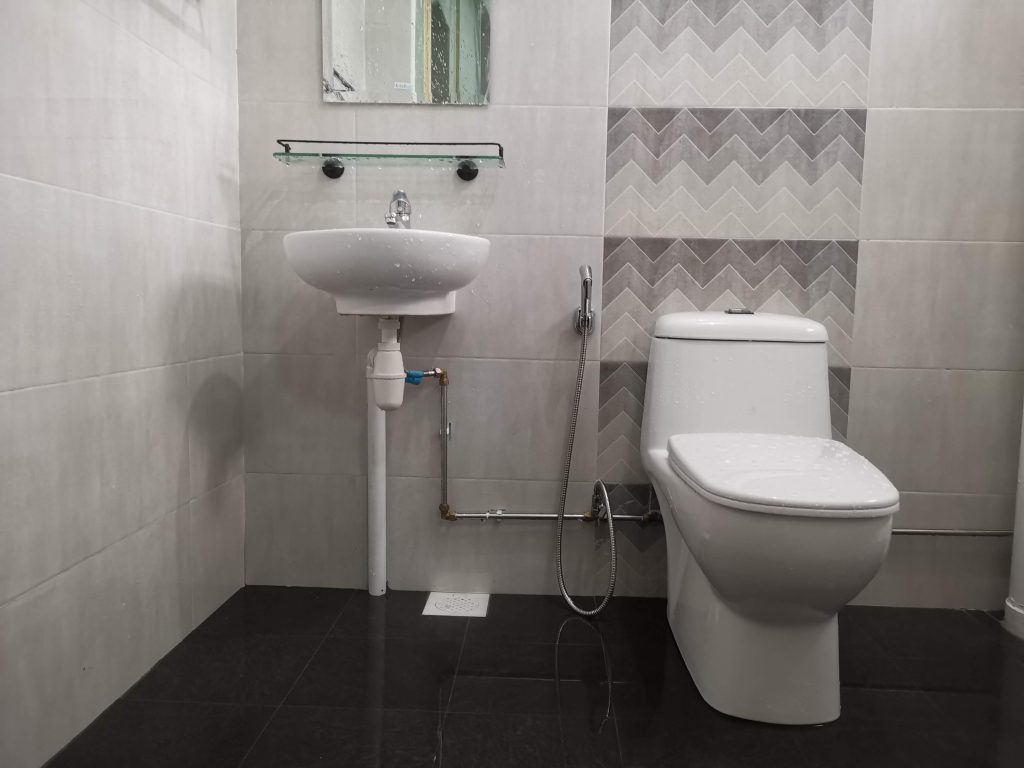
Older toilet water inlet piping can deteriorate over time, particularly around joints, valves and threaded connections.
You may notice corrosion, oxidation, discolouration, dampness or small leaks around the toilet’s water supply pipework. Valves can also become stiff or difficult to operate as they age.
For older or deteriorated installations, replacing the affected piping with stainless steel components can provide a cleaner and more durable replacement.
Depending on the existing installation, the work may involve replacing:
- Toilet water inlet pipes
- Stop or isolation valves
- Connectors
- Elbows
- Joints
- Threaded fittings
- Flexible connections
- Washers and seals
The exact components required depend on the existing toilet configuration.
The aim is not simply to replace one visibly rusty section while leaving badly deteriorated connections behind. The surrounding pipework and fittings should be checked so that the replacement addresses the actual condition of the installation.
Stainless steel is also commonly chosen for its durability and corrosion resistance, making it suitable for plumbing applications where long-term exposure to moisture is expected.
Find out more about our toilet stainless steel piping replacement services here.
8. Toilet Bowl Seat Cover Replacement
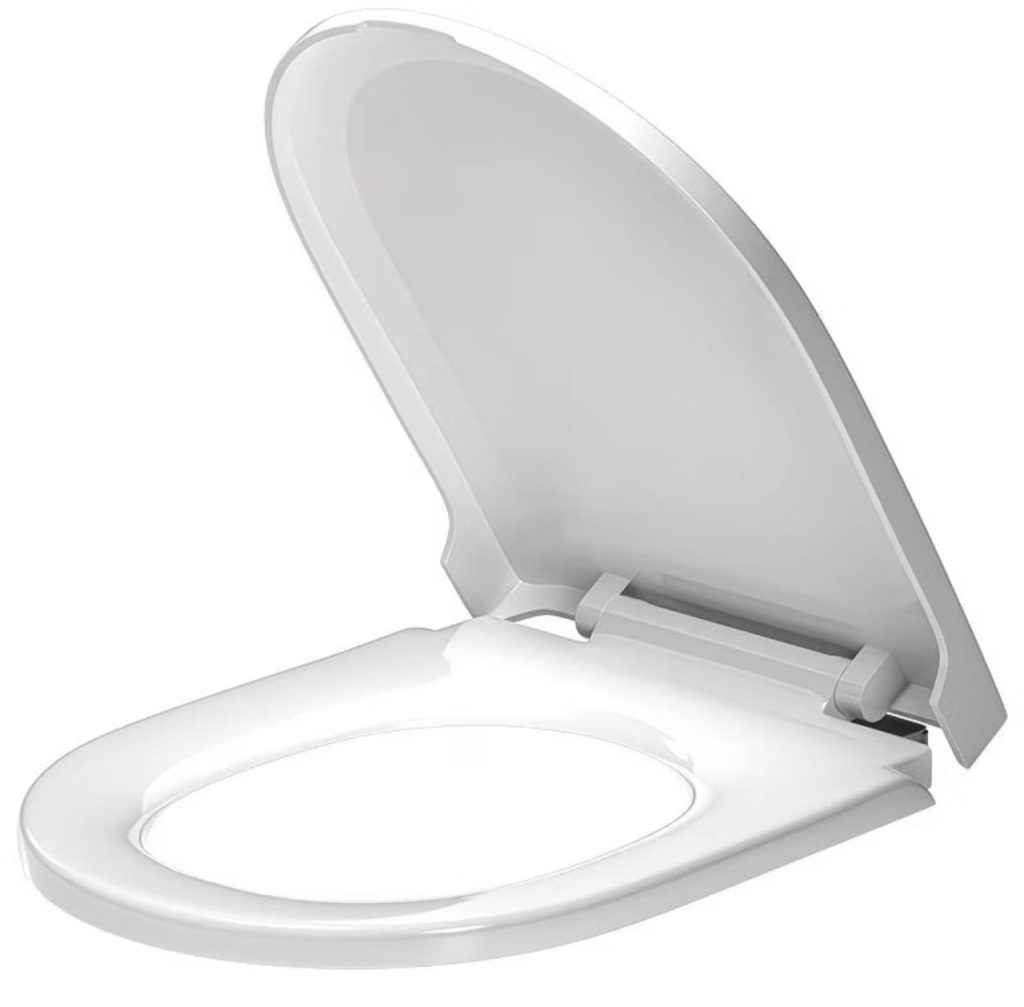
Over time, toilet seat covers can become loose, cracked, stained or damaged. Hinges may also deteriorate, making the seat move around when someone sits down.Replacing the seat cover can be a straightforward way to improve the condition and appearance of an existing toilet without replacing the entire toilet bowl.
Common reasons for replacement include:
- Cracked toilet seat
- Broken hinges
- Loose seat
- Damaged fixing hardware
- Discolouration
- General wear and tear
- Difficulty keeping the seat securely attached
The existing toilet bowl can be checked for compatibility before a replacement seat is installed.
Find out more about our toilet bowl seat cover replacement services here.
9. Toilet Bowl & Wash Basin Replacement
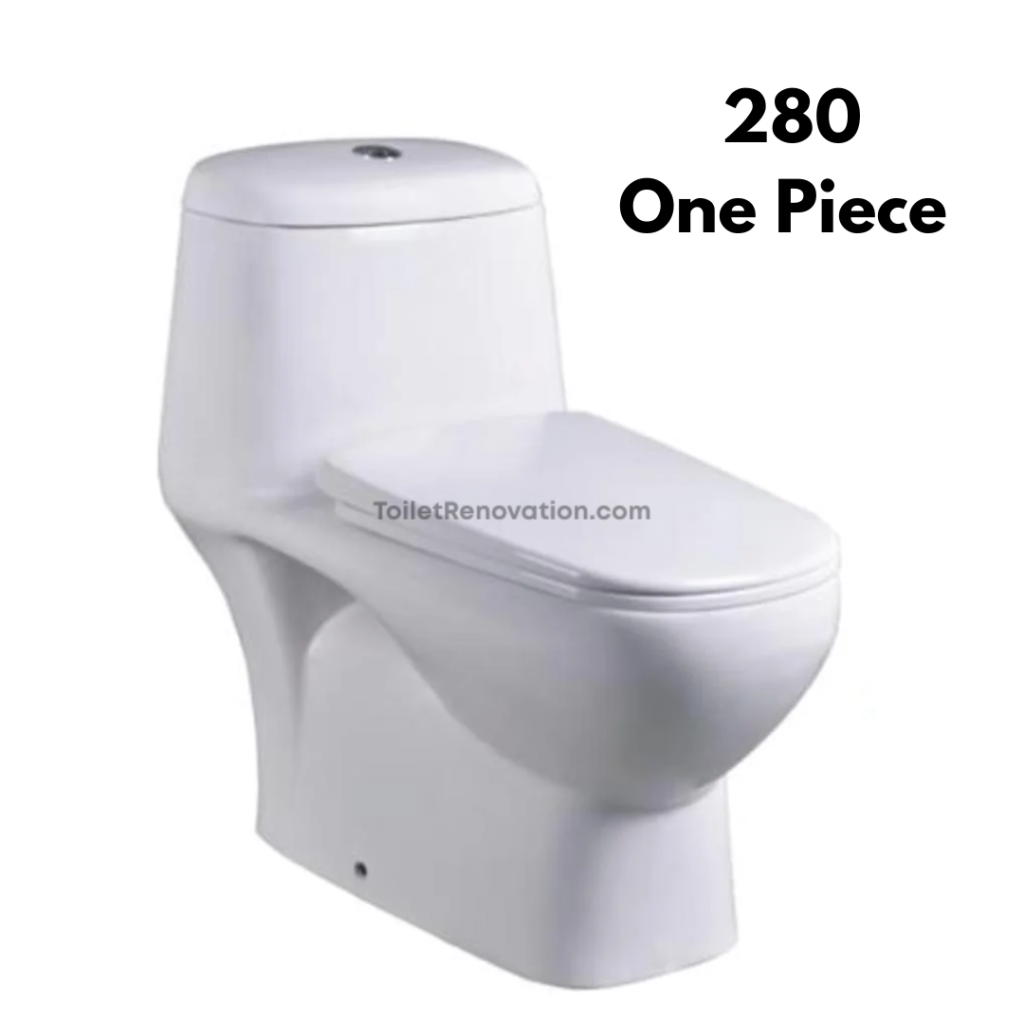
Sometimes repairing an existing sanitary fitting no longer makes practical sense.
A toilet bowl may have a cracked ceramic body, persistent leaks, badly worn components or an outdated design. Similarly, a wash basin can develop cracks, stubborn staining, damaged surfaces or leaking waste connections.
Replacement may be considered when the fitting is:
- Cracked or damaged
- Heavily stained
- Difficult to repair
- Constantly leaking
- Old and deteriorated
- No longer suitable for the bathroom
- Being replaced as part of a renovation
For toilet bowl replacement, the existing water inlet, flushing connection and waste outlet should be checked to make sure the new installation is properly connected.
For wash basins, the waste outlet, bottle trap, water connections and supporting brackets or mounting arrangement may also need to be considered.
Replacing the sanitary fitting is not just about removing the old item and installing a new one. The surrounding connections should be checked at the same time, particularly in older bathrooms.
Check out some of our toilet bowl & wash basin choices here.
10. Faucet & Tap Replacement
Faucets and taps are used every day, and constant use eventually takes its toll.
A tap may begin dripping, become difficult to turn, develop a loose handle or leak around its connections. In other cases, homeowners simply want to replace an old tap with a newer design.
Common problems include:
- Dripping taps
- Loose handles
- Leaking tap bodies
- Leaking connections
- Worn internal components
- Corrosion
- Poor water flow
- Damaged fittings
- Old or outdated taps
Depending on the situation, repairing a component may be possible. However, if the tap itself is already worn or damaged, replacement can be the more straightforward solution.
When installing a new faucet or tap, the existing water connections should also be checked. Old hoses, washers and connectors can sometimes cause leaks even after a new tap has been installed.
We provide tapware replacement services such as:
- Basin tap replacement
- Kitchen tap replacement
- Bidet spray replacement
- Handshower sets replacement
- 2 way taps replacement
- Shower mixer replacement
- and more!
Check out some of our bathroom taps and kitchen sink taps here.
11. Landed & Commercial High-Pressure Manhole Jetting Choke Clearing
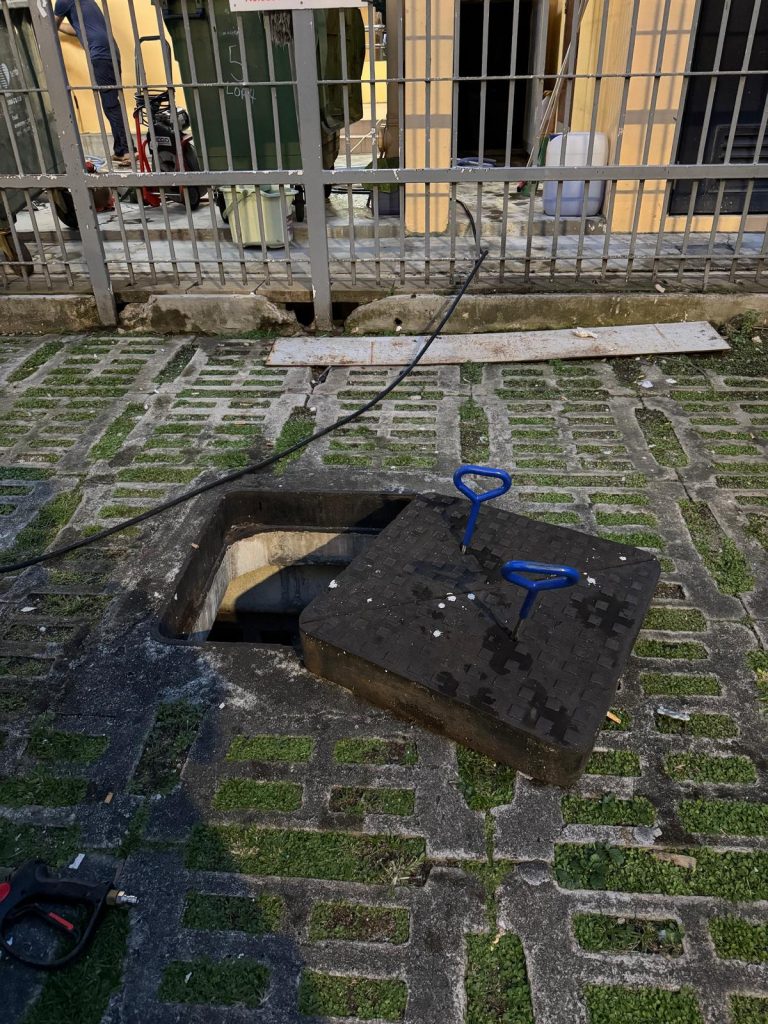
Larger drainage systems can require a different approach from the typical household choke.
Landed properties and commercial premises may have longer drainage runs, larger pipes, multiple drainage points and heavier usage.
Grease, sludge, sediment, leaves, dirt and other debris can accumulate over time.
When a blockage becomes deep or stubborn, high-pressure water jetting can be used to clean and clear the drainage system.
Why Is High-Pressure Jetting Used?
Unlike simply working on the nearest drain opening, water jetting can send high-pressure water through the pipe to help break up accumulated material and flush it through the drainage system.
It can be useful for:
- Severe drainage chokages
- Recurring blockages
- Grease buildup
- Sludge and sediment
- Dirt accumulation
- Long drainage pipe runs
- Larger landed-house drainage systems
- Commercial drainage systems
For recurring problems, clearing the immediate blockage may only be part of the solution. If the same drainage line keeps choking, the underlying cause may need to be investigated. This can include heavy buildup, poor drainage flow, damaged pipework or other obstructions within the system.
High-pressure manhole jetting is particularly useful when conventional manual clearing is no longer sufficient.
Check out our high pressure manhole jetting services here.
Plumbing Services for HDB, BTO, Condominiums, Landed & Commercial Properties
Our plumbing works cover common plumbing and drainage problems found in Singapore properties. Whether the problem is a slow-draining sink, a choked floor trap, a leaking toilet, rusty toilet piping or a more serious drainage blockage, the appropriate solution depends on the actual condition of the plumbing.
For straightforward issues, a simple repair or clearing may be all that is required. Where components are old or badly deteriorated, replacement may make more sense. For larger drainage systems and serious recurring chokages, more powerful equipment such as high-pressure water jetting may be necessary.
The goal is simple: identify the source of the plumbing problem, carry out the appropriate repair or replacement, and get the affected toilet, kitchen or drainage system working properly again.